Ready for the Next Ascent: How to Properly Care for Your Ski Touring Gear
Long ascents, changing snow conditions, and demanding descents put your ski touring equipment through its paces. That’s why giving it the right attention between tours is so important. In this guide, we’ll show you how to care for your climbing skins, pin bindings, skis, and touring boots, so you can focus on what really matters on your next adventure: reaching the summit.
The good news? Keeping your touring setup in top condition doesn’t require a complicated maintenance routine after every adventure. In most cases, just a few minutes are enough to remove moisture, spot signs of wear early, and ensure that key components continue to perform reliably season after season.
Your skins play a crucial role on the climb. Regular care helps maintain reliable traction, prevents snow build-up, and ensures efficient uphill performance, even in steep terrain. Because both the plush and adhesive layers can be sensitive to moisture, dirt, and improper storage, a little maintenance goes a long way.
Why Regular Skin Waxing Matters
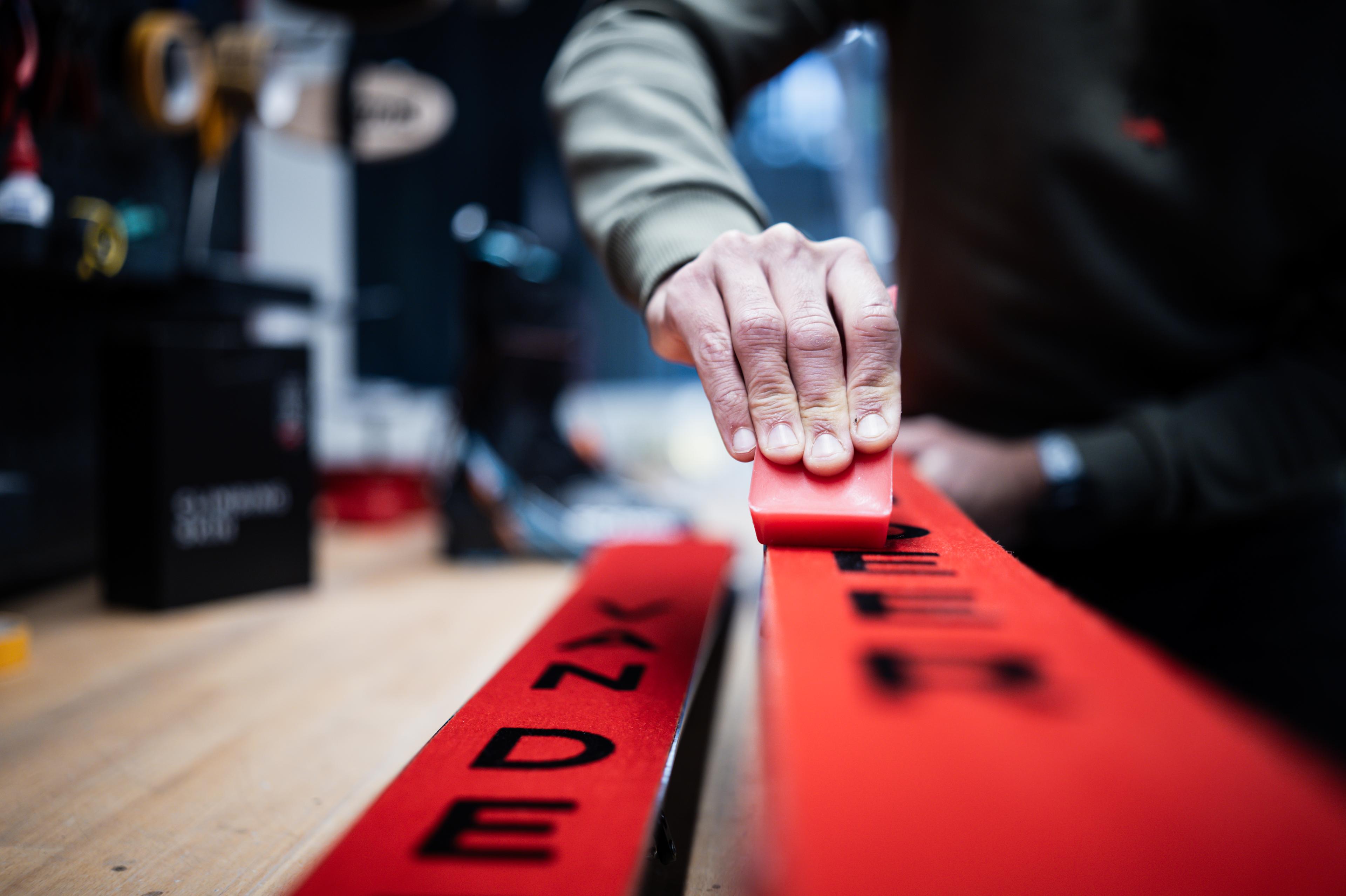
In wet snow and changing temperatures, climbing skins can absorb moisture. The result? Increased weight, reduced glide performance, and snow sticking to the plush, leading to snow build-up or “glopping.” Applying a suitable skin wax or waterproofing treatment helps minimize these issues and keeps your skins performing efficiently throughout the ascent.
When treating your skins, always use a product approved for your specific skin material and follow the manufacturer’s instructions. In most cases, wax should be applied in the direction of the fibers to preserve the structure and performance of the plush.
Our tip: For the KOHLA skins used in the VAN DEER-Red Bull Sports Touring Series, we recommend KOHLA Care & Protect Skin Wax.
How often your skins need treatment depends on how frequently you tour, the type of skin material, and the snow conditions you encounter. If you're regularly touring in varying conditions, from wet spring snow to cold powder, periodic reapplication is a worthwhile part of your gear-care routine.
Even with proper preparation, snow build-up can still occur during a tour. Carrying a compact “on-the-go” skin wax can provide a quick and effective solution when conditions change unexpectedly.

Caring for the Adhesive Layer
To ensure your skins stay securely in place throughout the tour and leave no residue on the ski base, a few simple maintenance steps are worth following:
Allow skins to dry completely at room temperature after each tour. Avoid radiators or any other direct heat sources, as excessive heat can damage the adhesive and reduce its effectiveness.
Remove debris carefully. Grass, pine needles, dirt, and small stones can compromise adhesion over time. Gently remove any contamination without using sharp tools that could damage the glue layer.
Store your skins according to the manufacturer's recommendations. Depending on the adhesive system, skins may be stored either glue-to-glue or with a protective mesh. The KOHLA skins used in the VAN DEER-Red Bull Sports Touring Series should be stored with the supplied protective foil.
If the adhesive loses its holding power significantly or becomes heavily contaminated, professional servicing may be worthwhile. A trusted ski shop can clean, refresh, or reapply the adhesive layer as part of a skin refurbishment service. Provided the skin material is still in good condition, this can restore reliable adhesion and extend the overall lifespan of your skins.
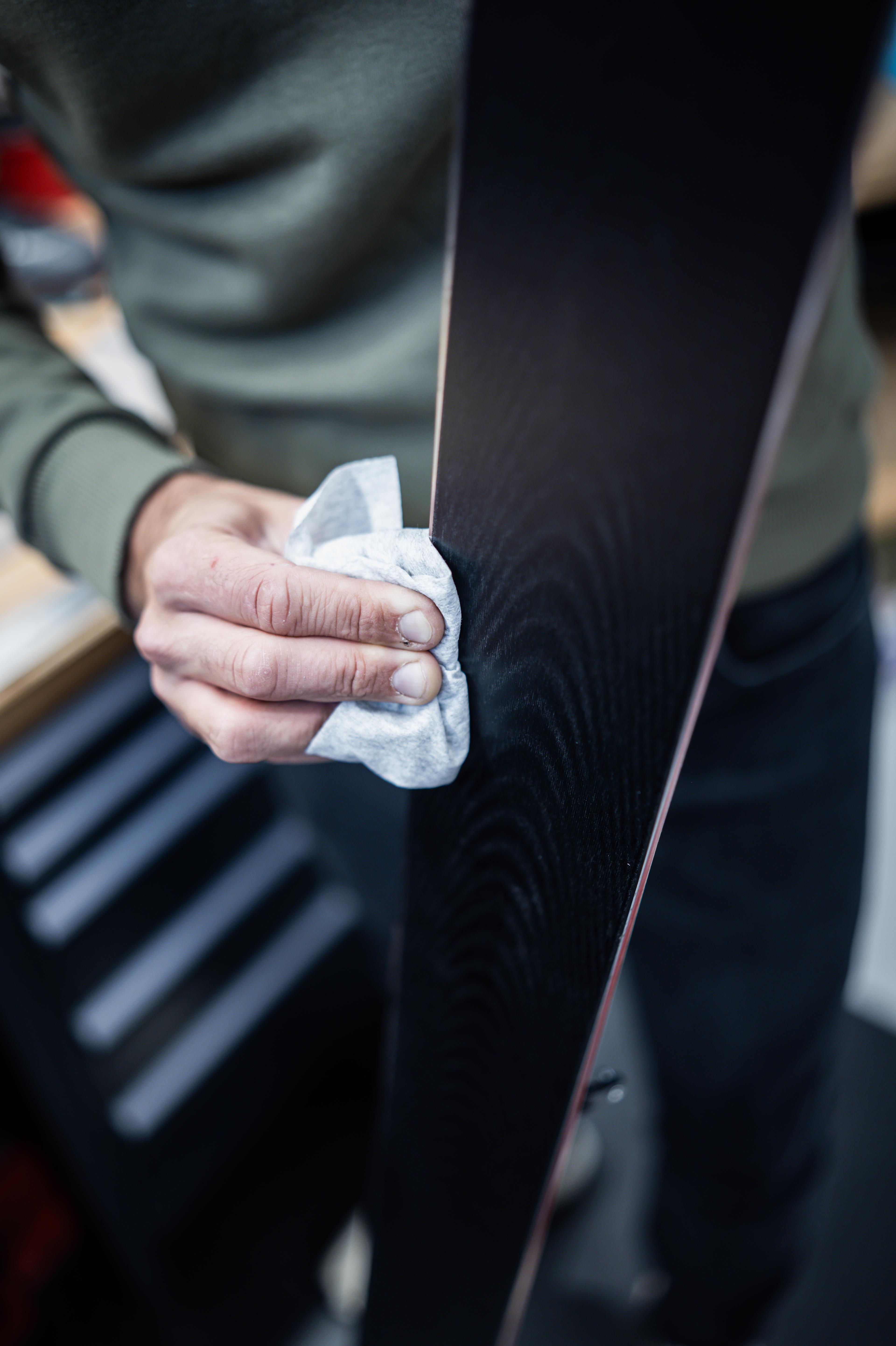
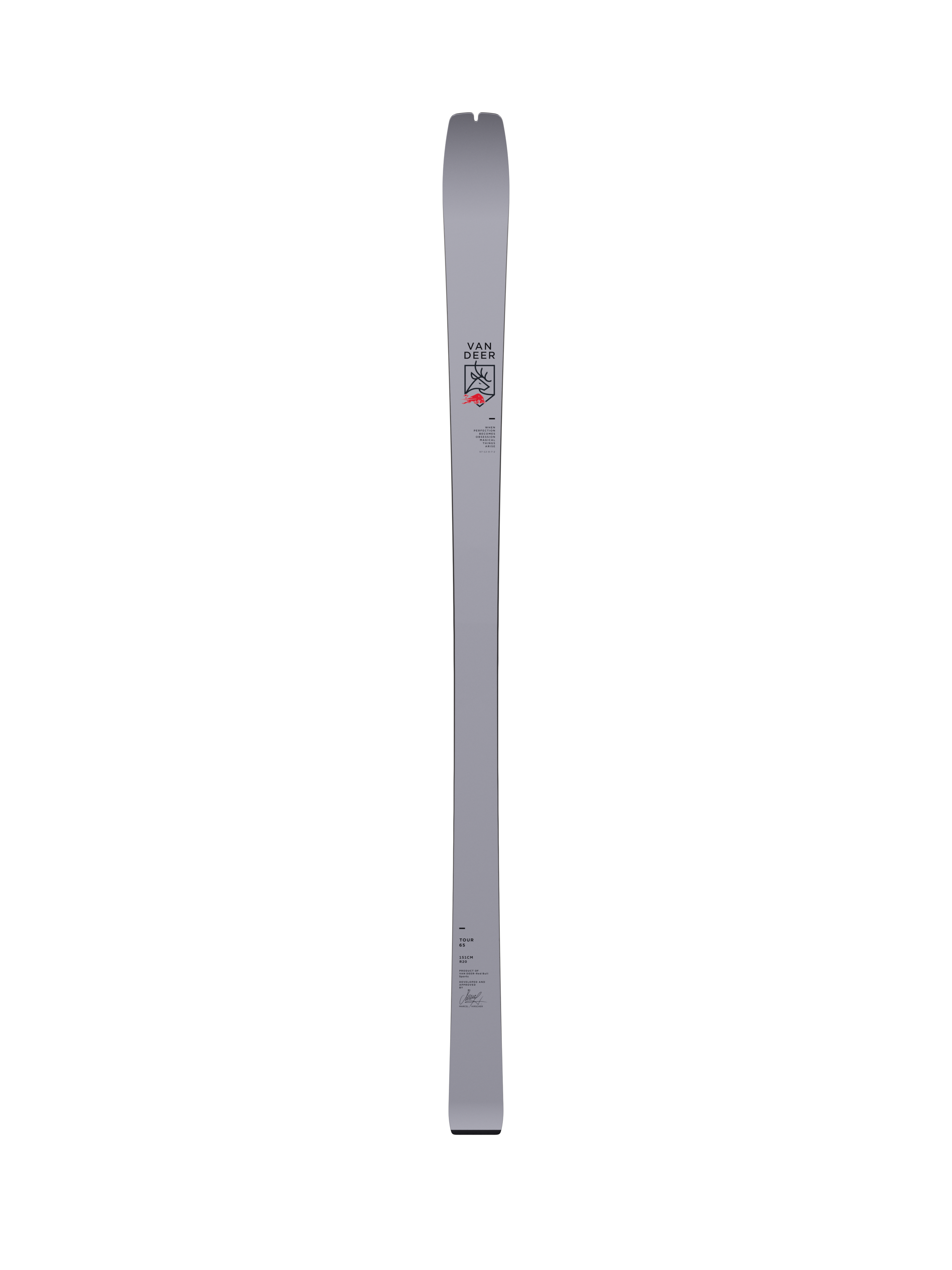
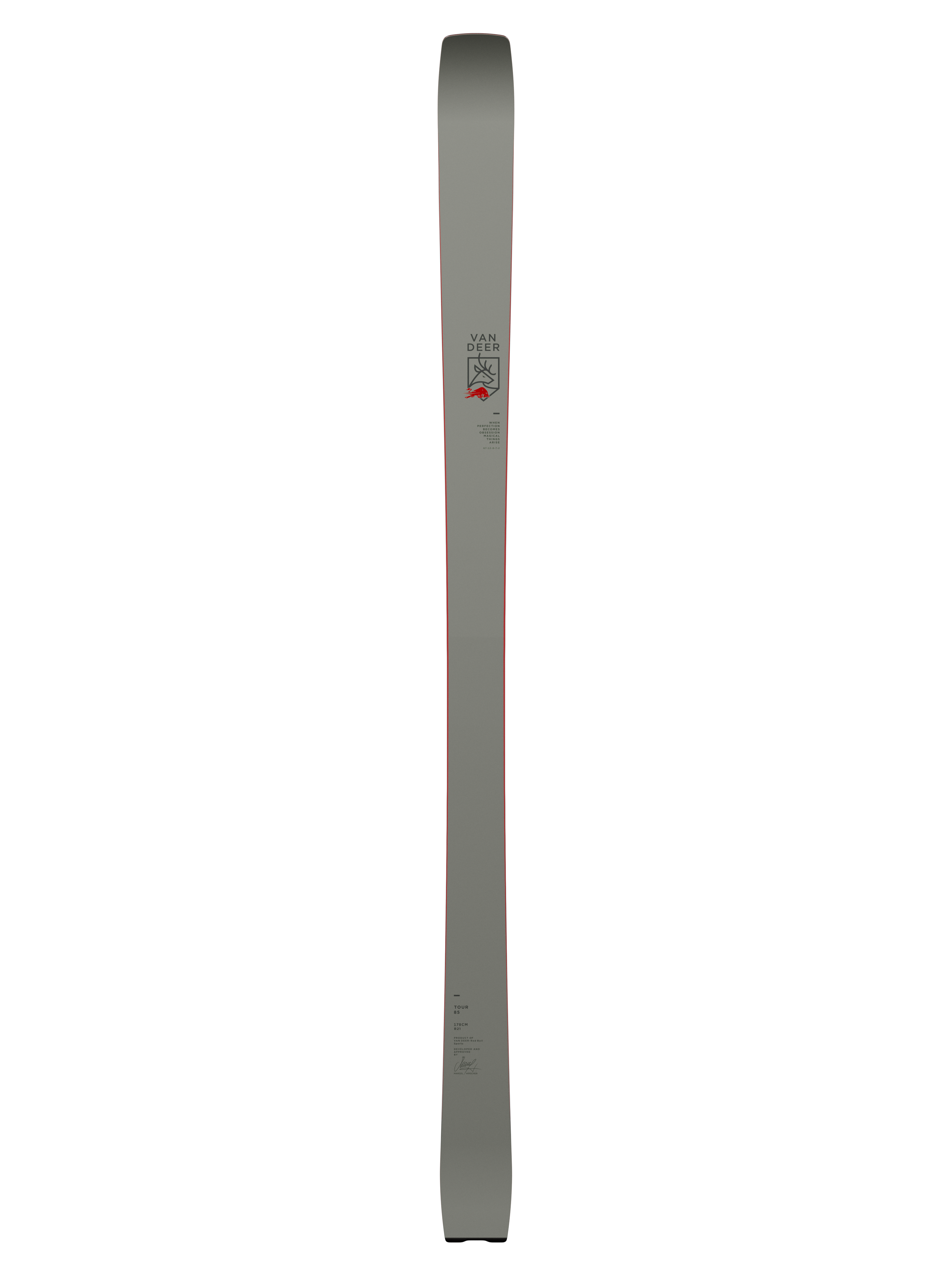
How often a ski needs waxing depends primarily on how frequently it's used and the conditions it's exposed to. If the base starts to look dry, dull, or develops whitish patches, it's time for a fresh coat of wax. Regular hot waxing helps nourish the base, maintain optimal glide performance, and extend the ski's lifespan.
Edges also take a beating during ski tours, especially in icy conditions or rocky terrain. Make a habit of checking them regularly for rust and damage. Keeping your edges in good shape not only improves grip and control but also helps preserve the ski's overall performance in demanding mountain environments.
Your bindings are one of the most safety-critical components of your ski touring setup. Pin bindings in particular rely on the precise interaction of mechanical parts and moving components. Regular inspections are essential and should always be carried out by a qualified technician. When it comes to binding safety, there’s no room for guesswork.
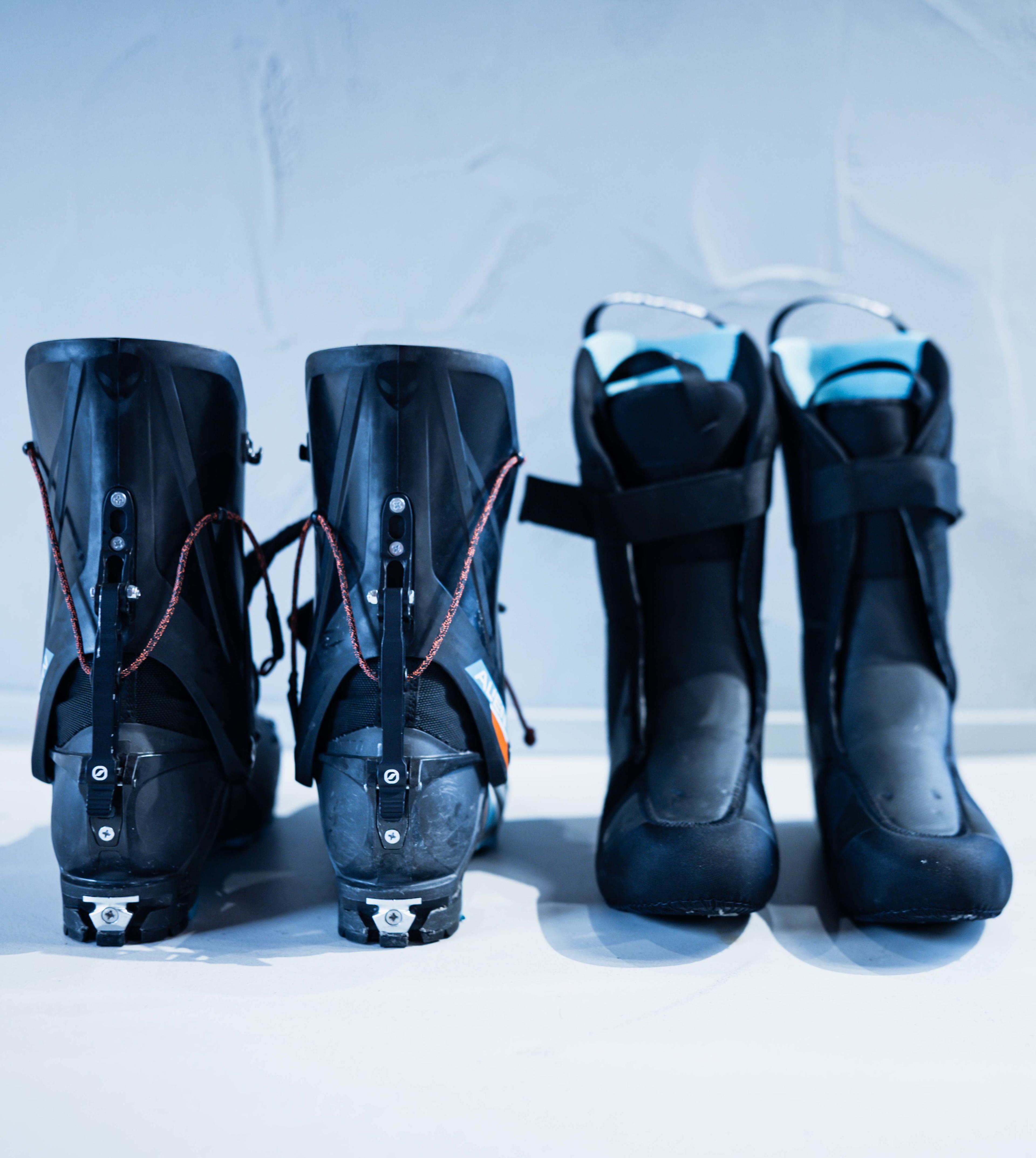
Before heading out, it’s worth taking a quick look at your buckles, closures, and walk mode mechanism. Everything should operate smoothly and switch effortlessly between walk and ski mode. Make sure your liners are completely dry, too. Few things are less pleasant than starting a tour with moisture still trapped inside your boots.
After a long day in the mountains, remove any snow and dirt from the shell and, if your model allows it, take out the liner to dry separately. Footbeds are best dried on their own as well. Always let your boots dry at room temperature and avoid placing them directly on a radiator or other heat source. Excessive heat can affect both the materials and the fit, particularly in heat-moldable liners. As an alternative, an electric boot dryer can provide gentle and effective drying without exposing the boots to damaging temperatures.
Quick Wins After Every Tour
Remove snow and moisture from your skis.
Dry your edges and bindings thoroughly.
Check your skins for dirt or damage and let them dry properly according to the adhesive system used. Depending on the skin, this may mean storing them with a protective mesh or glue-to-glue.
Remove the liners from your boots and allow them to dry separately.
Store your skis and boots in a dry place.